Colorful Swirl Backgrounds: A Designer's Secret Weapon
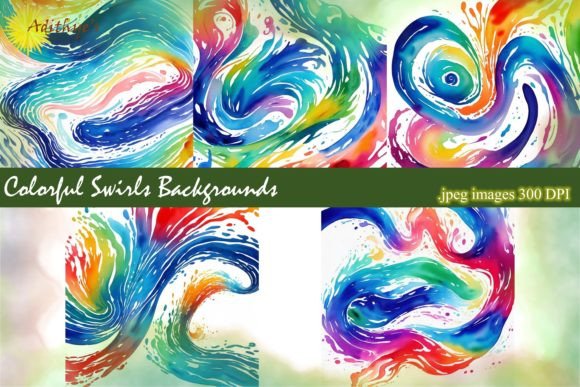
Every creative project hits a point where it needs a spark—something that pulls the viewer in and sets the mood instantly. A well-chosen background does exactly that. It frames your subject, creates depth, and communicates tone before a single word is read. That’s where Colorful Swirl Backgrounds come in. This collection of five high-resolution images offers a versatile foundation for projects ranging from apparel design to printed stationery. Let’s explore what makes these backgrounds so useful and how you can put them to work.
What Makes These Backgrounds Stand Out
Each image in this set features dynamic, flowing swirls with vibrant color palettes. The movement feels organic—almost liquid—creating a sense of energy without overwhelming the foreground elements. Because the resolution exceeds 4000 pixels at 300 DPI, you get exceptional clarity whether you’re printing on a large poster or zooming in for a detail crop on a social media graphic. The JPEG format ensures broad compatibility with virtually every design software, from Adobe Photoshop to Canva.
The visual personality here leans modern and expressive. These aren’t static, corporate-grade textures. They carry a creative, almost playful energy that works beautifully for brands targeting younger demographics or anyone wanting to convey innovation and imagination. Think of them as a middle ground between abstract art and functional design assets—stylish enough to catch the eye, yet structured enough to support text and other visual elements.
Where These Backgrounds Deliver Real Value
Practical application matters more than aesthetics alone. Here’s where these colorful swirl backgrounds genuinely shine:
- T-Shirt and Apparel Design: Print-on-demand creators know that a striking background can make or break a design. These swirls provide a ready-made canvas for typography, illustrations, or photographic elements. Layer your main design on top, adjust opacity if needed, and you have a professional-looking garment graphic without starting from scratch.
- Greeting Cards and Invitations: Stationery designers often struggle with backgrounds that feel either too busy or too bland. These images hit a sweet spot. Use them as a full-bleed backdrop for wedding invitations, birthday cards, or holiday greetings. The swirls add visual interest while leaving room for elegant script fonts or clean sans serif typefaces.
- Notebook Covers and Scrapbooking: Physical products benefit enormously from eye-catching covers. These backgrounds translate well to journal wraps, planner covers, and scrapbook page foundations. Their high resolution means sharp printing even on textured paper stocks.
- Digital and Social Media Content: Blog headers, Instagram story backgrounds, YouTube thumbnails, and website banners all need attention-grabbing visuals. Drop one of these swirls behind your headline, and you’ve got an instant upgrade from a flat color block.
- Brand Identity and Marketing Collateral: For businesses in creative industries—think cosmetics, entertainment, events, or lifestyle brands—these backgrounds can reinforce a vibrant, energetic brand identity. Use them consistently across business cards, flyers, and digital ads to build visual recognition.
How Background Choice Shapes Perception
Backgrounds aren’t just decorative. They influence how people interpret your entire design. A colorful, dynamic swirl signals creativity, movement, and modernity. It tells the viewer that the brand or project behind it values originality. Compare that to a plain white or gray background, which communicates simplicity and restraint. Neither is wrong—but the choice should align with your message.
When working with bold backgrounds like these, visual hierarchy becomes critical. Your foreground text and imagery need enough contrast to remain readable. A practical approach: test your design at the actual size it will be viewed. What looks balanced on a 27-inch monitor might feel cluttered on a phone screen. Print a proof if the project is physical. These small steps separate polished professional work from amateur experiments.
Pairing Fonts and Elements Thoughtfully
Because these backgrounds are visually active, your typography choices matter. Clean sans serif fonts tend to work well—they provide legibility without adding visual noise. If your brand calls for something more expressive, a bold display font can hold its own against the swirls, but keep the text concise. Script and handwritten fonts work best when used sparingly, perhaps for a single headline or accent word rather than body copy.
Consider the color relationships too. If the swirls lean warm—reds, oranges, yellows—white or dark charcoal text usually reads well. Cooler palettes—blues, purples, greens—pair nicely with white or soft cream. Always check contrast using a simple squint test: if you squint and the text disappears into the background, adjust your colors or add a subtle overlay.
Getting the Most From Your Purchase
You’re getting five distinct images in a single ZIP folder. Before diving into a project, take a few minutes to review each one individually. Open them at full resolution and note the dominant colors, the direction of the swirls, and the overall density. Some may work better for minimalist layouts where you need breathing room. Others might suit maximalist designs where every inch of the canvas contributes to the visual story.
Licensing is straightforward for commercial use. These assets work across print-on-demand platforms, client projects, and personal creative work. Just be mindful of redistribution—you can sell products featuring the backgrounds, but you can’t resell the raw image files themselves as standalone assets.
One last practical tip: keep your original files untouched. Always work on copies. That way, you preserve the source material for future projects with different color treatments, crops, or overlay effects. A single background can yield dozens of unique variations with simple adjustments in your editing software.
Colorful swirl backgrounds solve a common creative challenge—they give you a polished, professional starting point that elevates your work without requiring hours of custom illustration. Whether you’re building a product line, designing marketing materials, or crafting personal projects, having reliable, high-quality backgrounds in your toolkit saves time and raises the bar on everything you produce. Use them thoughtfully, pair them with intentional typography, and let them do what they do best: make your designs impossible to ignore.