The Essential Green Grass Texture Backgrounds for Designers
There is something universally grounding about the color green. It signals growth, vitality, and nature. However, finding a digital asset that captures the authentic look of a lawn without looking fake or overly saturated can be a challenge for creative professionals. If you have ever struggled to find a backdrop that feels organic rather than artificial, this collection of Green Grass Texture Backgrounds is designed to solve that specific problem. It offers a versatile foundation for a wide range of visual projects, moving beyond simple stock imagery to provide a genuine tactile experience.
Understanding the Visual Character of This Asset
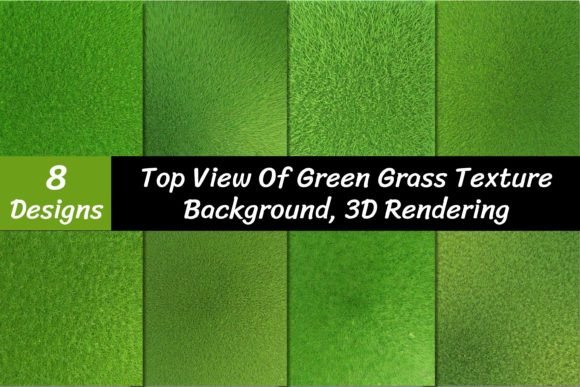
At its core, this collection features a high-fidelity 3D rendering of grass. Unlike standard photography, which can suffer from inconsistent lighting or weather damage, this digital paper offers a controlled, perfect representation of a lush lawn. The visual style is clean and vibrant, characterized by deep emeralds and lighter highlights that mimic sunlight hitting the blades. It strikes a balance between realism and artistic polish. You get the intricate detail of individual blades of grass—enough texture to add depth to a design—without the chaotic noise that sometimes makes photography difficult to overlay with text.
The personality of these backgrounds is fresh, energetic, and approachable. It avoids the moody, dark tones of a forest and instead embraces the bright, optimistic feel of a manicured park or a spring meadow. Because the rendering is crisp, it functions almost like a premium design asset rather than a simple snapshot. It serves as a versatile canvas that can support both playful, whimsical designs and more grounded, professional layouts. Whether you are working on a project that requires a literal representation of nature or just need a color palette that evokes freshness, this texture delivers a consistent visual language.
Strategic Applications for Modern Creators
The utility of a high-quality grass texture extends far beyond simple scrapbooking. For marketers and entrepreneurs, these files are invaluable for creating visual context in advertising. Consider a landscaping company, a gardening blog, or a sustainable brand. Using a generic stock photo of grass often leads to licensing headaches or visual clichés. By using these digital papers, you own a reusable asset that can serve as the background for social media graphics, Facebook ads, or website hero sections. The texture adds a layer of professionalism that a solid color block simply cannot achieve.
In the realm of packaging design, texture is a powerful tool. Imagine a line of organic dog treats or a natural soap brand. The packaging needs to communicate "natural" and "eco-friendly" before the customer even reads the label. Wrapping a product box or a label in a green grass texture background immediately establishes that brand identity. It is a subtle cue that triggers an emotional response associated with health and the outdoors.
For those involved in editorial design and publishing, the applications are equally robust. Children’s book illustrators often need vibrant, safe-looking environments. A 3D rendering of grass provides a perfect floor for characters to stand on without the complexity of drawing it by hand. Similarly, event planners and bloggers can use these backgrounds for digital invitations to garden parties, spring weddings, or summer picnics. The 3600 x 3600 pixel resolution ensures that these designs look sharp whether viewed on a retina display or printed as a physical flyer.
Enhancing Brand Perception and Visual Hierarchy
One of the most overlooked aspects of design is how background textures influence readability and hierarchy. A busy background can destroy legibility, while a boring one can fail to capture attention. The Green Grass Texture Backgrounds offer a unique middle ground. The texture is detailed enough to be interesting, but the consistent coloring allows for strong contrast when placing text.
When you place white or dark typography over this grass texture, the visual hierarchy remains clear, provided you use bold, legible typefaces. This is where font pairing becomes critical. A heavy sans-serif font works well here, cutting through the organic curves of the grass with modern geometry. Alternatively, a rustic serif font or a handwritten script can complement the natural theme, creating a cohesive brand identity that feels authentic. The texture acts as an anchor, grounding your typography and giving it a physical presence on the screen or page.
Consistency is another key benefit. In branding, repetition builds recognition. By utilizing these specific assets across your website, your Instagram stories, and your PDF downloads, you create a unified ecosystem. When a customer sees that specific shade of green and that specific blade structure, they begin to associate it with your brand. This level of consistency signals professionalism. It tells your audience that you pay attention to details and that you have invested in your visual presentation.
Practical Integration and Technical Details
Adopting new design assets should be a smooth process. This collection is delivered as a zipped file containing eight distinct variations. This variety is crucial because no single texture works for every scenario. You might find that a brighter, sun-drenched grass works best for a summer sale, while a slightly deeper, shadowed grass works better for a sophisticated event background. Having eight options gives you creative flexibility without overwhelming you with choices.
From a technical standpoint, the files are provided in JPEG format at 300 DPI. This is the industry standard for high-quality print production. If you are designing a poster, a brochure, or a business card, 300 DPI ensures that the image does not pixelate or look blurry when sent to the printer. The dimensions of 3600 x 3600 pixels make these files large enough for significant scaling. You can crop into a specific section of the grass for a close-up effect without losing quality, or use the full square for social media posts like Instagram grids.
Integration into your workflow is straightforward. Once you have unzipped the files using software like WinZip or Winrar, the JPEGs can be imported directly into Adobe Photoshop, Illustrator, InDesign, Canva, or Procreate. They function just like any other image layer. For advanced users, you can apply blending modes or overlay effects to modify the color temperature, making the grass cooler or warmer to match your specific color palette.
Choosing the Right Texture for Your Project
When evaluating if these backgrounds are the right fit, consider the tone of your message. If you are aiming for a hyper-realistic, gritty aesthetic, a 3D render might feel too polished. However, for the vast majority of commercial, editorial, and personal projects—where clarity and vibrancy are key—this asset is ideal. It eliminates the "uncanny valley" effect of bad stock photos and provides a clean, professional foundation.
Test the asset by placing your primary logo or headline text over it. Does the text remain the focal point? If the grass is too loud, try adding a slight transparent overlay between the text and the background to mute the texture slightly. If it feels too flat, try using a drop shadow on your text to lift it off the surface.
Ultimately, these Green Grass Texture Backgrounds are more than just pictures of lawns. They are functional tools for visual communication. They allow you to inject energy and life into your designs, connect with audiences who value nature, and maintain a high standard of quality across your creative output. Whether you are a crafter making greeting cards or a small business owner building a website, having a reliable set of nature textures in your toolkit is an investment that pays off in the quality of your final product.