Why 3D Pattern Backgrounds Are a Game-Changer for Creators
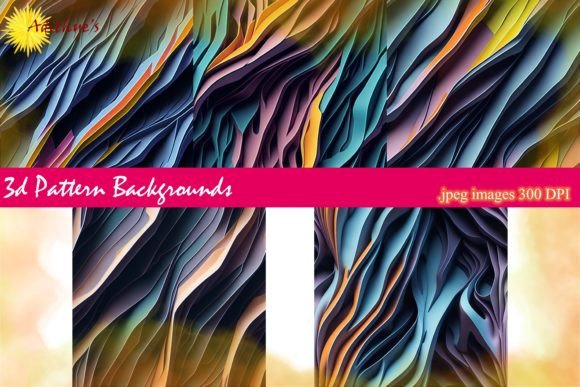
In the fast-paced world of digital marketing and print-on-demand, standing out requires more than just a good idea; it requires texture, depth, and immediate visual impact. While we often talk about typography and layout, the canvas you build upon is just as critical. That is where high-quality assets like 3D Pattern Backgrounds come into play. These aren't your average flat textures. They are designed to provide a sense of realism and dimension that flat design often lacks, making them indispensable for anyone looking to elevate their creative projects.
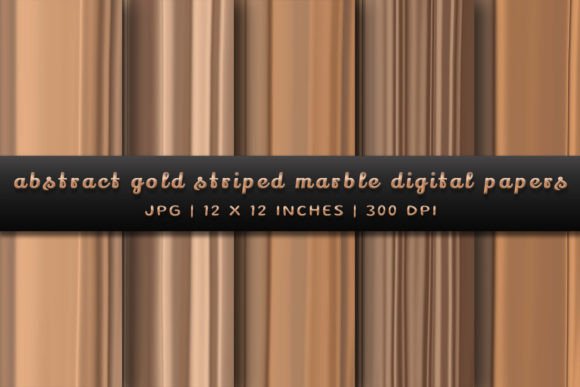
When you invest in a professional asset, the specifications matter. This particular collection arrives as a convenient ZIP folder containing 5 distinct images in .JPEG format. However, the real value lies in the resolution. With sizes varying above 4000 pixels at a crisp 300 DPI, these assets are built for professional-grade output. You don't have to worry about pixelation when you scale them up for large format printing or high-definition screens. It is a level of detail that signals professionalism to your audience, whether they realize it or not.
Visual Style and Practical Versatility
The aesthetic appeal of 3D pattern backgrounds lies in their ability to simulate depth, light, and shadow. Depending on the specific pattern—be it geometric, organic, or abstract—these backgrounds add a layer of sophistication to any composition. They possess a modern typography feel, even though they are visual assets rather than typefaces. They act as the perfect stage for logo design or social media graphics, providing a rich environment that makes foreground elements pop. If you are working on editorial design or packaging design, these textures can bridge the gap between a flat layout and a tactile experience.
One of the biggest strengths of this package is its adaptability across different mediums. Because the files are high-resolution JPEGs, they work seamlessly in almost any editing software, from Adobe Photoshop to Canva. Here is how you can integrate them into your workflow:
- Apparel and POD Products: Use these as the primary design for t-shirts or all-over prints. The 300 DPI quality ensures the fabric print looks sharp.
- Paper Goods: For greeting cards, gift cards, and invitations, the depth of the pattern adds a premium feel that customers associate with quality.
- Digital Presence: Enhance website headers, blog post images, or Instagram stories. A textured background stops the scroll better than a solid color.
- Crafting and Scrapbooking: Print them out for notebook covers or digital scrapbook layers to add visual interest to your memories.
Strategic Integration into Your Brand Identity
As a designer or business owner, consistency is key to building a recognizable brand identity. When you find a visual style that resonates with your audience, you want to be able to replicate it across all touchpoints. 3D Pattern Backgrounds allow you to establish a specific mood—whether it is futuristic, organic, or industrial—and maintain that vibe across your marketing materials. It is not just about decoration; it is about strategic visual communication. Using consistent, high-quality backgrounds helps in building trust. If your marketing materials look polished, your audience assumes your service or product will be too.
However, working with bold backgrounds requires a thoughtful approach to visual hierarchy. If the background is too loud, it can compete with your text or main subject. This is where understanding font pairing becomes essential. If you are overlaying text on a complex 3D pattern, you generally want to stick to clean sans serif fonts or simple serif fonts. Avoid using overly decorative script fonts or handwritten fonts directly on top of the busiest parts of the image, as readability will suffer. Instead, place your typography in areas of the image that are less detailed, or use a semi-transparent overlay to create a safe zone for your message.
Choosing the Right Asset for the Job
Evaluating whether a specific set of backgrounds fits your project involves looking at the "personality" of the image. Is the pattern chaotic and energetic, or is it organized and calming? For a corporate report or a serious business presentation, you might want a subtle geometric 3D pattern. For a music festival poster or a gaming channel, something more vibrant and complex might be appropriate. Always view the asset at full size before committing to ensure the texture holds up.
Furthermore, consider the commercial aspect. When you purchase design assets like this, you are buying the right to use them, but it is always wise to double-check the licensing for commercial use, especially if you plan to sell the end product (like a printed t-shirt or a physical planner). This collection is designed with creators in mind, aiming to support a wide range of projects from personal crafts to commercial ventures.
Ultimately, incorporating 3D Pattern Backgrounds into your toolkit is about expanding your creative possibilities. It allows you to move beyond static, one-dimensional designs and create environments that feel alive and engaging. Whether you are a blogger looking to revamp your site, a marketer creating the next viral campaign, or a crafter making personalized gifts, having access to high-resolution, professional textures makes the design process smoother and the final result significantly more impressive.